How Proper Base Installation Prevents Shifting Paver Walkways
People seeking paver installation often want to ensure their walkways stay level and stable, and local contractors can provide proper base installation to prevent shifting.
Proper base installation is a crucial step in ensuring that paver walkways remain stable and visually appealing over time. When the foundation beneath the pavers is correctly prepared, it helps distribute weight evenly and prevents shifting, sinking, or uneven surfaces that can develop with regular use or changing weather conditions. Property owners who want to avoid costly repairs or the hassle of uneven walkways often find that investing in a solid base is a practical solution, making it an important consideration for any paving project.
Local contractors specializing in paver installation understand how proper base preparation directly impacts the longevity and appearance of a walkway. They can assess the specific needs of a property and ensure the foundation is properly graded, compacted, and stabilized. By choosing experienced service providers, property owners can help safeguard their investment and enjoy a durable, attractive walkway that remains level and secure for years to come. Keep reading to learn more about how proper base installation can prevent shifting paver walkways and what steps local experts typically take to achieve lasting results.
- Paver installation - homeowners planning to install new walkways can benefit from local contractors who ensure proper base preparation to prevent shifting.
- Paver repair - when existing paver walkways show signs of shifting or uneven surfaces, local service providers can assess and re-establish a stable base.
- Drainage correction - properties experiencing drainage issues that cause shifting pavers can be addressed by local pros skilled in proper base installation techniques.
- Walkway extension - expanding or modifying existing paver areas requires experienced contractors to maintain stability and prevent future shifting.
- Foundation stabilization - properties with unstable soil or previous shifting issues can be stabilized by local contractors through proper base installation practices.

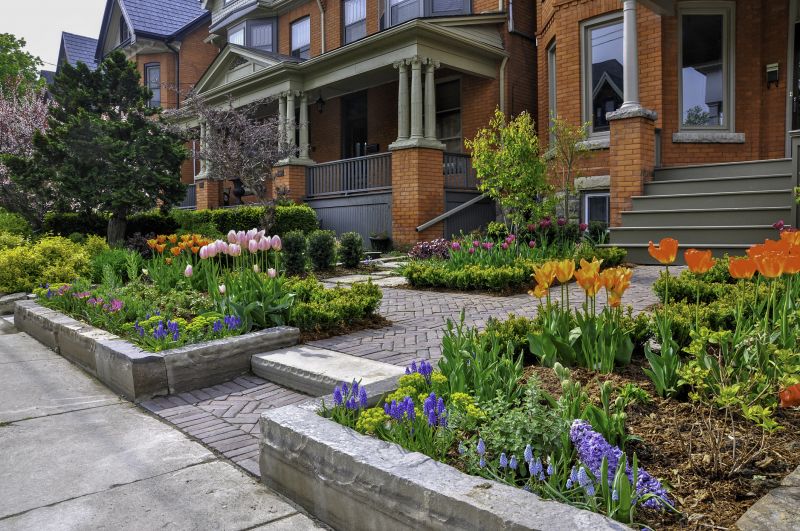
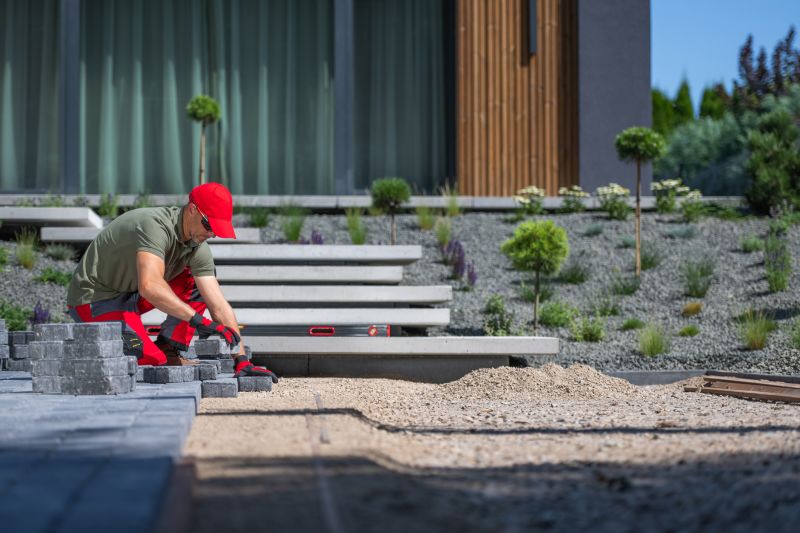
When people search for how proper base installation prevents shifting paver walkways, they are often looking to understand why their existing paved paths develop uneven surfaces or become unstable over time. This concern typically arises after noticing pavers that have moved out of alignment, created tripping hazards, or developed gaps between the stones. Homeowners interested in this topic usually plan to install new walkways or repair existing ones, aiming for a durable, long-lasting surface that maintains its appearance and safety. These projects are common in residential properties, especially in yards, gardens, or entryways, where a stable, attractive walkway enhances curb appeal and functionality.
The problems related to shifting paver walkways often stem from issues with the foundation underneath the stones. Without a properly prepared base, soil movement, moisture fluctuations, and poor drainage can cause the pavers to settle unevenly or shift over time. For property owners, this can lead to costly repairs or the need for frequent maintenance. Understanding how proper base installation addresses these issues is essential for planning a successful project. When local contractors focus on creating a solid foundation-using appropriate materials like crushed stone and sand, and ensuring proper compaction-they significantly reduce the risk of future shifting and uneven surfaces.
Properties that typically come up in discussions about paver walkway stability include residential homes with landscaped yards, multi-family complexes, and commercial properties with outdoor walkways. These properties often have varying soil types, such as clay or sandy soils, which can influence how well a base holds up under load and weather conditions. Homeowners with uneven terrain or those in areas with high moisture levels are especially aware of the importance of a well-installed base. Local service providers who specialize in paver installation understand these property-specific challenges and can recommend the best base materials and techniques to prevent shifting, ensuring the walkway remains level and secure for years to come.
Proper base installation is a critical step that directly impacts the longevity and stability of paver walkways. When local pros prepare the foundation correctly-excavating to the right depth, laying down a stable base layer, and ensuring thorough compaction-they create a solid platform that resists soil movement and water infiltration. This foundation acts as the backbone of the walkway, preventing common issues like sinking, heaving, or shifting that can compromise safety and aesthetics. Connecting with experienced local contractors ensures that the base is installed properly, providing a durable, even surface that maintains its appearance and functionality over time.
Landscape Design Projects - These projects often involve planning and installing durable surfaces, requiring knowledge of proper base preparation to prevent shifting and ensure longevity.
Patio and Terrace Installations - Proper base installation techniques are essential for creating stable foundations that keep pavers in place and resist movement over time.
Driveway Resurfacing - Local contractors focus on base stability to prevent cracking and shifting, which directly relates to how proper base installation can protect paver walkways.
Outdoor Staircase Construction - Building stable stairs with proper base layers helps prevent shifting and ensures safety, paralleling the importance of base prep in paver walkways.
Retaining Wall Construction - These projects require precise base work to maintain structural integrity, similar to the foundation needed for shifting paver walkways.
Hardscaping and Pathway Projects - Proper base installation is a key skill for local service providers working on durable, long-lasting pathways and walkways.
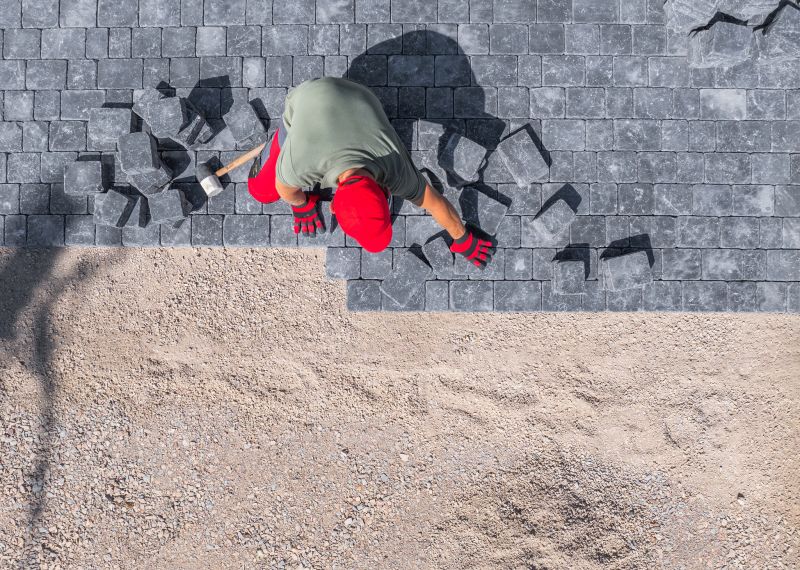
When evaluating service providers for paver installation, it is important to consider their experience with similar projects, particularly those involving proper base installation to prevent shifting walkways. Homeowners should seek out local contractors who have a proven history of working on paver projects with a focus on foundation stability. An experienced professional will understand the importance of preparing the ground correctly and installing the base material to ensure long-term durability and minimal movement of the pavers over time.
Clear written expectations are essential when comparing local pros for paver installation services. Homeowners should look for providers who can outline the scope of work, including specific details about base preparation, material choices, and installation techniques that contribute to preventing shifting. Having a detailed plan helps ensure that both parties are aligned on the process and outcomes, reducing the chances of misunderstandings or subpar results that could compromise the walkway’s stability.
Reputable references and effective communication are key factors when selecting a service provider for paver installation. Homeowners are encouraged to ask for references from previous clients who had similar work done, especially projects emphasizing proper base installation. Good communication from the contractor’s side also indicates their ability to listen to concerns, provide explanations, and keep the homeowner informed throughout the process. Choosing a local contractor who demonstrates transparency and responsiveness can help ensure that the project meets expectations and that the importance of a solid base for preventing shifting is properly addressed.
Property owners often search for how proper base installation prevents shifting paver walkways when they are planning practical projects around their homes and businesses. Local pros provide Paver Installation services for everyday jobs and straightforward project options.
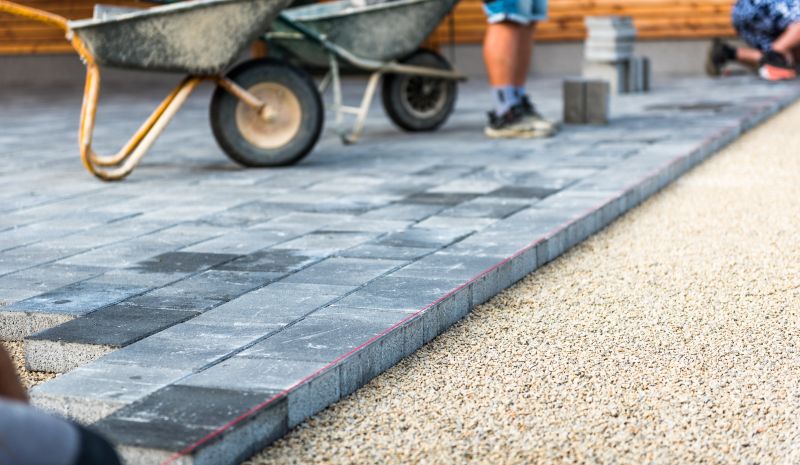
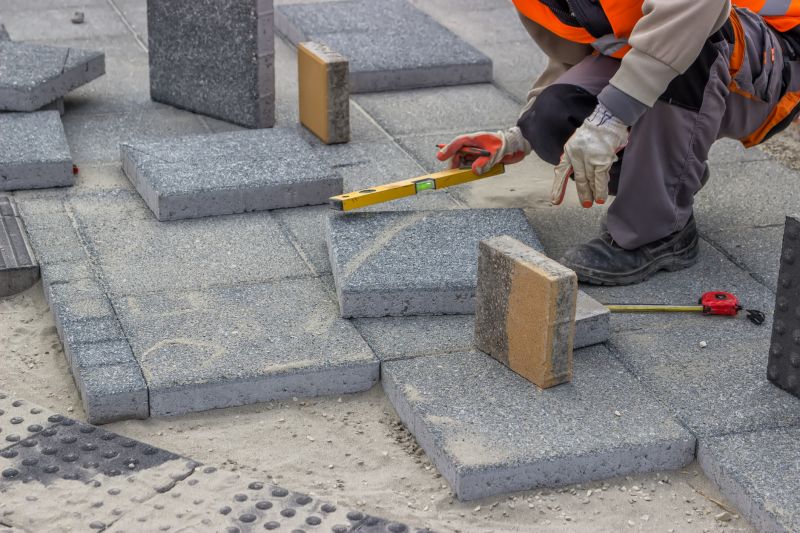
Proper base installation is a key factor in preventing shifting paver walkways, especially in areas with frequent foot traffic or changing weather conditions. When property owners notice uneven or cracked pavers, it often indicates that the foundation beneath the surface was not prepared correctly. Local contractors who specialize in paver installation understand the importance of a stable, well-compacted base layer, which helps distribute weight evenly and reduces the risk of movement over time. By ensuring the base is properly prepared, these service providers can help maintain a level, durable walkway that stands up to daily use and seasonal changes.
Many property owners seek out paver installation services after experiencing issues with shifting or sinking walkways. Proper base installation involves careful excavation, proper layering of gravel or sand, and thorough compaction-all steps that local professionals are skilled at executing. This attention to detail can prevent common problems like uneven surfaces, tripping hazards, or the need for costly repairs down the line. Connecting with experienced local service providers can ensure that the foundation of a paver walkway is built to last, reducing future shifting and maintaining the walkway’s appearance and safety.
Why is a proper base important for paver walkways? A proper base provides stability and support, preventing the pavers from shifting or settling over time, which helps maintain the walkway’s integrity.
How does a well-installed base prevent paver shifting? A well-installed base ensures even distribution of weight and reduces movement, minimizing the risk of pavers moving out of place or developing uneven surfaces.
What role do local contractors play in preventing shifting paver walkways? Local contractors ensure the base is prepared correctly, using proper materials and techniques that help prevent shifting and extend the walkway’s lifespan.
Can improper base installation lead to walkway problems? Yes, inadequate base installation can cause pavers to shift, settle, or crack, leading to costly repairs and the need for reinstallation.
What should be included in a proper base for paver installation? A proper base typically includes a layer of compacted gravel or crushed stone, followed by a sand layer, both installed with thorough compaction to prevent shifting.
Preparing the base properly - property owners can work with local contractors to ensure the base is level and well-compacted before paving begins, reducing shifting risks.
Choosing the right materials - selecting suitable base materials like crushed stone or gravel helps provide stability and drainage for paver walkways.
Implementing proper edging - installing durable edging along the walkway perimeter prevents the pavers from spreading or shifting over time.
Ensuring consistent compaction - verifying that the base is thoroughly compacted at each layer helps maintain a stable foundation for the pavers.
If you are thinking about how proper base installation prevents shifting paver walkways for a property, this guide is meant to help you understand this topic, the typical project types, and how different options might fit your plans.
When you are ready, you can use the quote form on this page to share a few details about your project. From there, local pros can review the basics and follow up with options that match what you have in mind.